
Blog Home
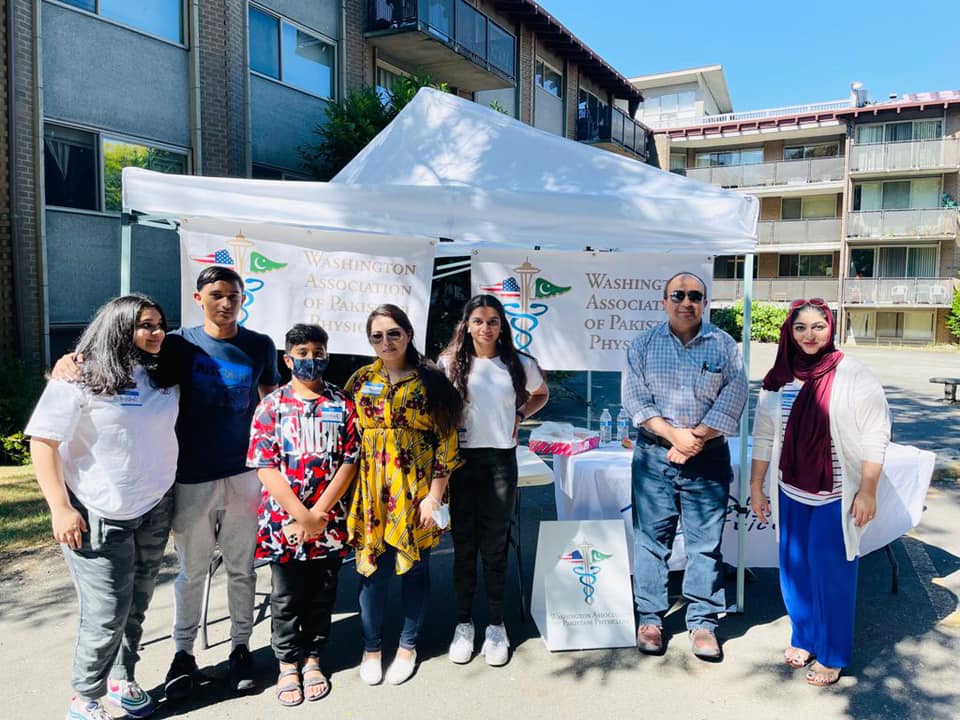
How Physician Mentorship Improves Patient Care Outcomes
admin
- December 20, 2025
Introduction Behind every excellent doctor is someone who has guided, inspired, and supported them. Mentorship in healthcare isn’t just about career advice—it’s about shaping physicians who can provide better, more compassionate care to their patients. At the Washington Association of Pakistani Physicians (WAPP), we believe mentorship is a powerful tool not only for professional growth but also for improving patient outcomes. When doctors are supported and guided, the quality of care they deliver improves dramatically. Mentorship Builds Confidence and Skills A mentor’s guidance helps physicians navigate real-world challenges—from complex diagnoses to difficult conversations with patients. By sharing experience and knowledge, mentors help mentees: The result? Physicians who are more confident, competent, and able to provide high-quality care to their patients. Mentorship Encourages Evidence-Based Practice Healthcare is always evolving, and staying up-to-date with best practices can be overwhelming. Mentors provide guidance on: This ensures that mentees are not only skilled but also current in their knowledge, directly benefiting patients through better, safer care. Emotional Support Reduces Burnout A physician’s well-being directly impacts patient care. Stress, fatigue, and burnout can compromise performance. Mentorship offers: Mentors help physicians stay grounded, healthy, and motivated, which ultimately improves the care they provide. Mentorship Strengthens Communication and Empathy Good patient care is more than just technical skill. It’s about communication, empathy, and understanding. Mentors model these qualities, teaching mentees how to: Doctors who are guided in these skills create stronger patient relationships and better health outcomes. Creating a Culture of Continuous Improvement Mentorship fosters a culture of collaboration and lifelong learning. Physicians who are mentored are more likely to: Through mentorship, healthcare organizations like WAPP are helping create communities of physicians dedicated to continuous improvement and patient-centered care. Conclusion Mentorship is more than guidance—it’s a pathway to better patient care. By investing time, wisdom, and support, mentors help physicians grow into confident, skilled, and compassionate professionals. At WAPP, mentorship is at the heart of everything we do. When physicians thrive, patients benefit—and together, we can create healthier communities in the U.S., Pakistan, and beyond.

Why Mentorship Is Essential in Modern Healthcare
- December 20, 2025
Introduction Healthcare is not just about medical knowledge—it’s about people. Behind every diagnosis, treatment plan, and long shift is a healthcare professional navigating constant change, pressure, and responsibility. In today’s fast-moving healthcare environment, mentorship has become one of the most powerful tools to support physicians at every stage of their journey. For organizations like the Washington Association of Pakistani Physicians (WAPP), mentorship is about more than career advice—it’s about connection, guidance, and growing together as a community. Healthcare Has Changed—And So Have Its Challenges Modern healthcare looks very different than it did years ago. Physicians now face: In the middle of all this, mentorship offers something invaluable: someone who has been there before and is willing to guide the way. Mentorship Helps Physicians Find Their Path No two medical careers are the same. Young doctors, international medical graduates, and even experienced physicians often struggle with important questions: A mentor provides clarity, perspective, and reassurance. Having a trusted advisor who listens, shares experience, and offers honest guidance can make the journey less overwhelming and far more fulfilling. Better Mentorship Leads to Better Patient Care When physicians feel supported, patients benefit too. Mentorship allows doctors to learn from real-life experiences—not just textbooks. Mentors help mentees: Strong mentorship creates better doctors—and better healthcare outcomes. Supporting Mental Health and Preventing Burnout Burnout is one of the biggest challenges in healthcare today. Long hours, emotional strain, and constant responsibility can take a serious toll. Mentorship provides a human connection that reminds physicians they are not alone. A good mentor offers: Sometimes, simply knowing someone understands makes all the difference. Growing Confident and Compassionate Leaders Mentorship helps shape the next generation of healthcare leaders. Through guidance and example, mentors teach more than medical skills—they teach leadership, empathy, and responsibility. Mentored physicians often grow into professionals who: These are the leaders who strengthen healthcare systems and inspire others. Building a Stronger Healthcare Community Mentorship brings people together. It builds trust, collaboration, and lifelong professional relationships. Through mentorship programs, WAPP connects physicians across specialties, generations, and borders—creating a supportive network rooted in shared values and purpose. This sense of community not only benefits physicians but also extends to the communities they serve in the U.S. and Pakistan. A Lasting Impact Beyond Medicine Mentorship has a ripple effect. When physicians are supported, they are more likely to give back—through charitable work, telehealth initiatives, and community outreach. By sharing knowledge and experience, mentors help expand access to quality healthcare where it is needed most. Conclusion Mentorship is not a luxury in modern healthcare—it is a necessity. It reminds physicians that growth is a shared journey, not a solo one. By guiding, supporting, and uplifting one another, we create a healthier, stronger future for healthcare professionals and patients alike. At WAPP, mentorship is at the heart of everything we do—because when physicians grow together, communities thrive.Bottom of Form