
Introduction
Behind every excellent doctor is someone who has guided, inspired, and supported them. Mentorship in healthcare isn’t just about career advice—it’s about shaping physicians who can provide better, more compassionate care to their patients.
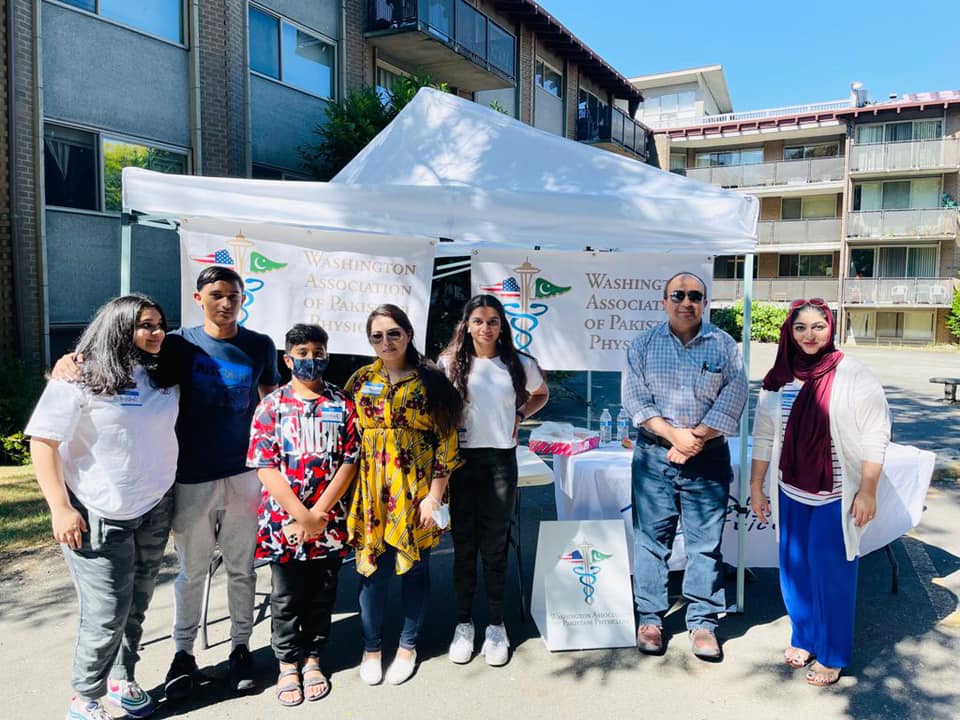
At the Washington Association of Pakistani Physicians (WAPP), we believe mentorship is a powerful tool not only for professional growth but also for improving patient outcomes. When doctors are supported and guided, the quality of care they deliver improves dramatically.
Mentorship Builds Confidence and Skills
A mentor’s guidance helps physicians navigate real-world challenges—from complex diagnoses to difficult conversations with patients. By sharing experience and knowledge, mentors help mentees:
- Make more informed clinical decisions
- Learn to handle high-pressure situations with calm and clarity
- Develop practical skills that textbooks cannot teach
The result? Physicians who are more confident, competent, and able to provide high-quality care to their patients.
Mentorship Encourages Evidence-Based Practice
Healthcare is always evolving, and staying up-to-date with best practices can be overwhelming. Mentors provide guidance on:
- The latest clinical guidelines
- Evidence-based approaches to treatment
- Integrating technology and telehealth into patient care
This ensures that mentees are not only skilled but also current in their knowledge, directly benefiting patients through better, safer care.
Emotional Support Reduces Burnout
A physician’s well-being directly impacts patient care. Stress, fatigue, and burnout can compromise performance. Mentorship offers:
- Emotional support during challenging times
- Strategies to maintain balance and resilience
- A safe space to discuss difficult cases
Mentors help physicians stay grounded, healthy, and motivated, which ultimately improves the care they provide.
Mentorship Strengthens Communication and Empathy
Good patient care is more than just technical skill. It’s about communication, empathy, and understanding. Mentors model these qualities, teaching mentees how to:
- Communicate effectively with patients and families
- Listen actively and respond with empathy
- Build trust and rapport with diverse patient populations
Doctors who are guided in these skills create stronger patient relationships and better health outcomes.
Creating a Culture of Continuous Improvement
Mentorship fosters a culture of collaboration and lifelong learning. Physicians who are mentored are more likely to:
- Share knowledge with colleagues
- Engage in community and charitable initiatives
- Strive for excellence in every patient encounter
Through mentorship, healthcare organizations like WAPP are helping create communities of physicians dedicated to continuous improvement and patient-centered care.
Conclusion
Mentorship is more than guidance—it’s a pathway to better patient care. By investing time, wisdom, and support, mentors help physicians grow into confident, skilled, and compassionate professionals.
At WAPP, mentorship is at the heart of everything we do. When physicians thrive, patients benefit—and together, we can create healthier communities in the U.S., Pakistan, and beyond.
Leave a Comment